
From Editor's Desk
Beyond the Familiar: Discover the Spirit of the East
November brings a special energy to Eastern and Northeast India. As the monsoon recedes, the hills become inviting, the skies open up, and the region’s extraordinary cultural diversity comes into sharper focus. For travellers seeking meaningful experiences, this is a season to discover the East beyond its familiar landmarks.
This month, we turn our attention to Nagaland, where dramatic landscapes, vibrant community traditions and a compelling history offer opportunities for deeper exploration. The approach of the Hornbill Festival adds to the excitement, inviting visitors to experience the cultural richness of the Naga people through music, crafts, cuisine and community celebrations.
At Impression Tourism Services, we believe that destinations become truly memorable when travellers connect with the people who give them character. Our focus remains on creating journeys that are immersive, responsible and rooted in local knowledge, ensuring that tourism contributes meaningfully to communities and local livelihoods.
Our recent roadshows in Dublin, Manchester and London have strengthened our engagement with international travel partners, and we look forward to building new collaborations at WTM London, from 3–5 November.
As we reflect on Diwali’s light and togetherness, I wish our partners and readers a season filled with optimism, meaningful connections, and new opportunities.

Best regards,
Debjit Dutta
| Director & CEO
A Season of Light, Love & Living Traditions

From illuminated homes to cherished sibling rituals, November brings the region’s festive spirit into focus.
November brings a beautiful convergence of faith, family and cultural traditions across Eastern and Northeast India. On 8 November 2026, Diwali and Kali Puja will illuminate homes, neighbourhoods and temples. While Diwali celebrates the triumph of light over darkness, Kali Puja holds a special place in Bengal and Tripura, where devotees worship Goddess Kali through elaborate rituals, lights and community celebrations.
The spirit of togetherness continues on 11 November, when different regions celebrate the enduring bond between brothers and sisters through Bhai Phota in Bengal, Bhai Dooj across much of northern India, and Bhai Tika in Nepal. Sisters apply a ceremonial mark to their brothers’ foreheads, offer prayers for their well-being and share traditional sweets and family meals. Though customs differ, the sentiment remains universal: love, protection and lifelong connection.
This month turns towards harvest and community celebrations. In Nagaland, Tokhü Emong, observed by the Lotha Naga community, celebrates the harvest through folk songs, traditional dances, storytelling, shared food and expressions of gratitude. The 2026 celebrations are scheduled for 7–15 November in Wokha.
In Meghalaya, the Shillong Cherry Blossom Festival, scheduled for 20–21 November, brings music, food and cultural experiences into the landscape of the flowering season.
For responsible travellers, the most rewarding approach is to engage respectfully, support local artisans and food producers, and remember that these celebrations belong first and foremost to the communities that sustain them.
Travel Update
A Region in Motion: New Connections, Fresh Experiences
Eastern and Northeast India continues to evolve as a destination for experience-led travel, with new infrastructure, digital initiatives and destination development creating fresh opportunities for travel professionals.
WTM London | 3–5 November 2026
The global travel industry gathers at Excel London for World Travel Market, providing a platform to exchange ideas, develop partnerships and introduce emerging destinations to international buyers. For ITS, the focus remains on presenting distinctive journeys across East and Northeast India and the neighbouring Himalayan destinations of Bhutan and Bangladesh.

Mizoram | Building a Year-Round Tourism Economy
Mizoram Travel Fest 2026 has highlighted the state’s ambition to strengthen tourism through culture, adventure and nature. The state recorded more than 6.7 lakh visitor arrivals between January and August 2026, an increase of approximately 51% over the corresponding period in 2025. Improved rail connectivity through the Bairabi–Sairang line is helping expand access, while the state explores longer stays and tourism beyond Aizawl. Plans to position Mizoram as India’s “Winter Capital” underline its growing seasonal appeal.

Kolkata | A Digital Key to Discovery
West Bengal’s tourism department is preparing to introduce the Kolkata Key mobile application, designed to provide verified information on tourist attractions, heritage sites, hotels, transport facilities and other visitor services. QR codes are also planned to help travellers access destination information, alongside a proposed digital map covering all districts. These initiatives signal a growing emphasis on digital discovery and more informed travel planning.
Editorial note: The Kolkata Key and statewide digital map are reported as forthcoming initiatives, not confirmed live services.

Destination Highlight
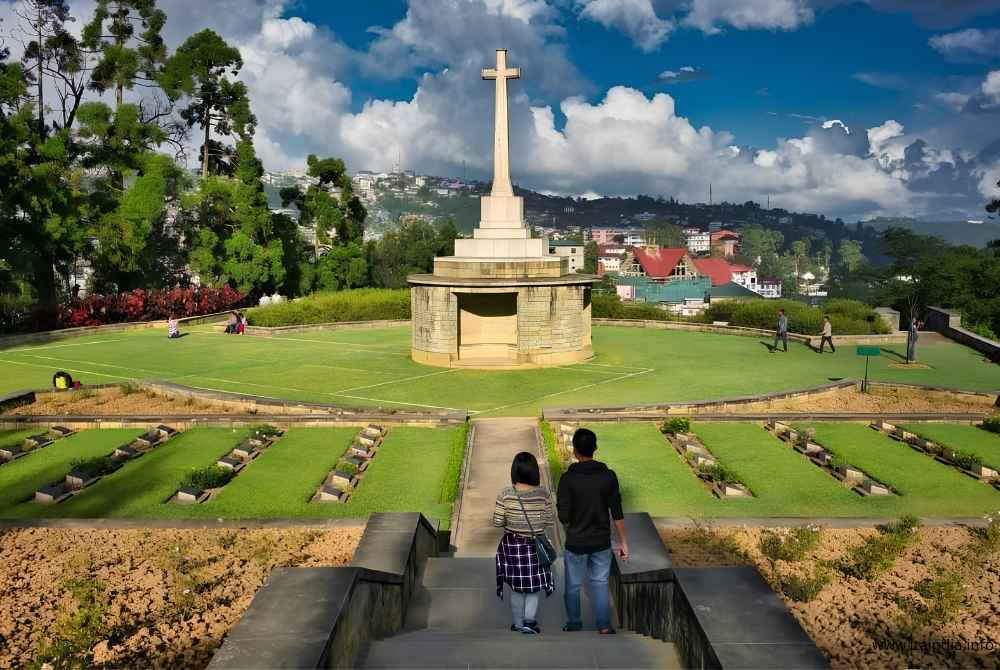
Nagaland | A Land of Living Heritage and Mountain Wonders
Nagaland invites travellers into a landscape where cultural identity, dramatic hills and powerful historical narratives come together. Its recognised Naga tribes, distinct languages, community traditions and Christian faith have shaped a society in which customary practices and contemporary life coexist. The region’s diversity is best understood through respectful encounters with individual communities rather than a single, uniform representation of Naga culture.
Kohima, the state capital, is an ideal starting point. The Kohima War Cemetery commemorates Allied soldiers who died during the Second World War’s Battle of Kohima in 1944, one of the decisive campaigns of the Burma front. Its carefully maintained terraces offer a moving place for reflection on the human cost of war.
Beyond the city, village visits can reveal traditional architecture, weaving, foodways and the rhythms of everyday life. Khonoma, known for community-led conservation, offers a particularly rewarding opportunity to explore the relationship between heritage and stewardship of the landscape.
The wider region also appeals to walkers, photographers and nature enthusiasts through forested slopes, ridgelines and the remarkable Dzüköu Valley.
November is an excellent time to plan a cultural and soft-adventure journey, while early December brings the celebrated Hornbill Festival at Kisama. A stay of four to six nights allows travellers to combine Kohima’s history, village encounters and mountain experiences without rushing.
The key is to travel with local guidance, respect community protocols and allow time for conversations beyond the usual sightseeing stops.
Product Update
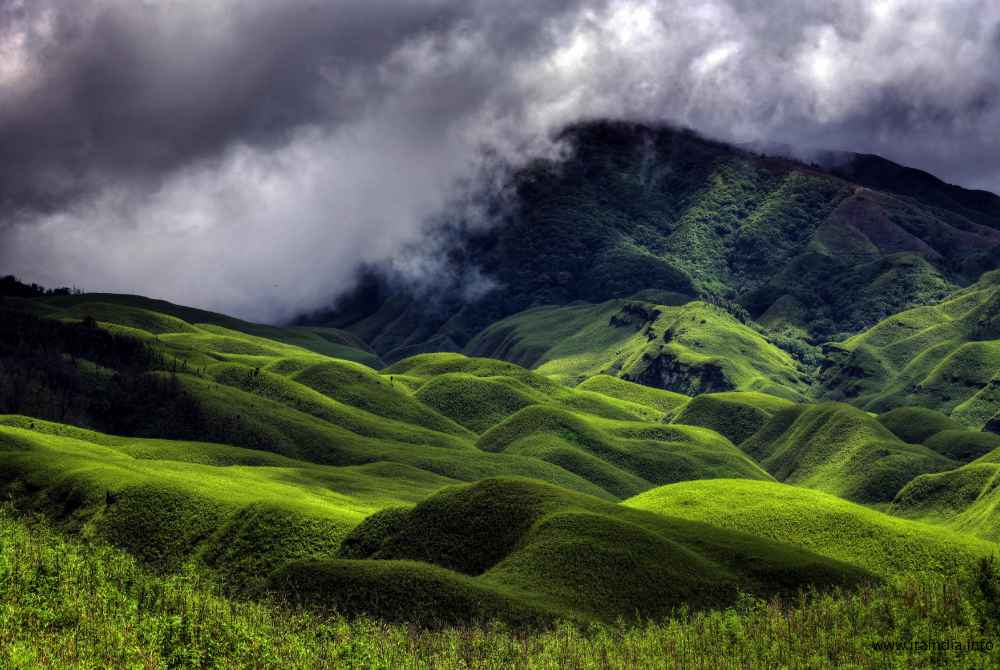
The Dzüköu Valley Trek | Walk into Nagaland’s Wild Heart
Some journeys are best measured not by the distance covered, but by the moments that unfold along the way. The Dzüköu Valley trek from Kohima is one such experience, leading travellers away from the bustle of the capital and into a landscape of open meadows, rolling ridges and seasonal wildflowers.
The journey combines a scenic drive to the trailhead with a guided ascent, rewarding walkers with expansive mountain views and the quiet beauty of a valley shaped by nature. Depending on the chosen route, fitness levels, and trail conditions, the experience can be adapted as a demanding day hike or an overnight adventure for travellers who wish to spend longer in the mountains.
For international visitors, this is an opportunity to experience a less familiar side of Northeast India through active exploration rather than conventional sightseeing. It also works well as part of a wider Nagaland journey combining Kohima War Cemetery, heritage village walks and local culinary encounters.
At ITS, we see soft adventure as an opportunity to make travel more meaningful. Engaging knowledgeable local guides, respecting trail etiquette, carrying reusable essentials, taking all waste back and avoiding disturbance to wildlife help protect the very landscape that makes this experience special.
The trek is particularly appealing to active couples, small groups, photographers and nature-conscious travellers seeking an authentic mountain experience.
Suggested product pairing: Three to four nights in and around Kohima, combining a guided Dzüköu Valley trek with heritage exploration and a community-focused village visit. The itinerary should be tailored to weather, trail conditions and the group’s fitness.
Hospitality Highlight

Polo Hotel, Kohima | A New Luxury Address in the Naga Hills
Set on Aradura Hill in Kohima, Polo Hotel, Kohima brings a new luxury hospitality option to Nagaland, combining contemporary comfort with design cues inspired by the region’s heritage. Newly opened in October 2026, the property is positioned to serve travellers seeking a more refined base from which to explore Kohima and the surrounding hills.
According to the hotel’s supplied factsheet, the property offers 56 rooms across five categories, including Deluxe, Premier, Luxury with Verandah, Dzüköu Junior Suite and Hornbill Suite. Many rooms feature private balconies and valley views, creating a relaxed setting after a day of exploration.
Dining is an important part of the experience. Tring Tring offers a lively restaurant setting, while the hotel’s advertised experiences include a seven-course “Taste of Nagaland” meal. Guests can also enjoy the poolside setting, Tattva Spa, fitness facilities and concierge assistance. Guided village walks, Hornbill Festival visits and Dzüköu Valley trekking are among the experiences listed in the factsheet.
For meetings and celebrations, the hotel provides a banquet hall accommodating up to 400 guests, subject to event configuration, alongside additional event space.
Its location also offers convenient access to several local attractions: Kohima War Cemetery is listed at approximately 2 km away, while Kisama Heritage Village is around 12 km away.
For travel planners, the property adds a premium accommodation option for cultural explorers, couples, small groups and travellers combining Nagaland with a wider Northeast India itinerary. Its strongest appeal lies in bringing comfort and locally inspired experiences together in one base.
Property details are based on the supplied hotel factsheet. Room inventory, services and opening arrangements should be reconfirmed directly before contracting.
Travel deeper. Connect meaningfully. Explore responsibly.
As the East enters its most inviting travel season, Nagaland and its neighbouring destinations offer new reasons to look beyond the familiar. At ITS, we remain committed to helping our partners transform regional knowledge into thoughtful, experience-led journeys that benefit travellers and local communities alike.
Look East is a monthly publication by Impression Tourism Services (India) Pvt. Ltd.—a nationally awarded destination management company with 19 years of responsible travel excellence. We curate experience-led journeys across East & Northeast India and the sub-Himalayan neighbors of Nepal, Bhutan, and Bangladesh, where travel supports communities, conservation, and culture.
www.itsindia.info
Impression Tourism Services (India) Pvt. Ltd.
1st Floor, GA-II, 1582/5, Rajdanga Main Road (East), West Bengal 700107, Kolkata, India
Our Visitor


